
About AFIR
Our goal is to find ways to turn African stories into a sustainable engine of value, impact, growth, and returns for its investors.
Africa’s moment has arrived. The continent sent its largest ever number of teams to the 2026 World Cup, while African culture continues to command the global stage through fashion, music and storytelling. Grammy-winning artists Burna Boy and Tyla helped set the tone for the tournament, bringing the energy of Afrobeats to a worldwide audience. My Father’s Shadow (Cannes 2025) and Clarissa (Director’s Fortnight 2026) attracted leading international sales agents and distribution platforms. One Woman, One Bra won audience awards at both the London and Tribeca film festivals, further demonstrating the growing global appetite for African stories.
Across the continent, we are witnessing remarkable growth in creative talent, technical expertise and entrepreneurial ambition. Significantly, there is now more capital available for African film than at any other point in recent history. This presents a rare opportunity for African investors and producers to build a stronger, more resilient market. In that market, ownership of intellectual property remains on the continent, value is created across the production ecosystem, and African stakeholders participate meaningfully in both the cultural impact and financial returns of our stories.
Realising this opportunity, however, requires more than capital. Fragmented legal and regulatory frameworks, underdeveloped distribution channels, limited project development infrastructure and constrained market connectivity continue to inhibit growth. Overcoming these challenges takes collaboration, transparency and trust between investors and producers. It also takes a deliberate commitment to building durable, youth-facing career pathways in production, post and IP management. That is what AFIR is built for.
AFIR emerged from the African Producers Accelerator (APA), established by Big World Cinema in 2025 with the support of the Bertha Foundation. The APA was created to support experienced African producers in strengthening their businesses, refining their investment propositions and preparing projects to engage confidently with investors.
Together with leaders including Tony Tabatznik, Jon-Sesrie Goff, Osahon Akpata, George Gachara, Caroline von Kühn and Erica Motley Dupuis, it became clear that while producers were increasingly preparing themselves for investment, there was no equivalent space for African investors. Nowhere could they exchange experiences, discuss common challenges, develop best practice or build trusted relationships with one another and with producers. The inaugural Roundtable, held in Cape Town in July 2026, marked the beginning of what we hope will become an enduring platform for dialogue, collaboration and market-building.
Resources
Interviews
Watch interviews with investors who attended the inaugural AFIR in Cape Town, to better understand how film investors approach their work
Wakiuru Njuguna, HEVA Fund
“Find the right network that can support you, share information and help you understand how to mitigate the risks and protect your investments.”
Wale Gbadamosi-Oyekanmi, WGO
“Alone, a country can move fast but together, as a continent, we’ll move further.”
Osahon Akpata, CANEX Creations Inc.
“The time for Africa is now. The attention is here. We now need to meet that attention with high quality projects that can keep their attention and get them consuming more of our culture, cultural content and outputs.”
Adekunle Adebiyi, MBO Capital
“Here’s my message for prospective investors: You can get double digit returns in dollar terms. The margins are really attractive.”
Songezo Hlwele, Industrial Development Corporation
“People in the African film ecosystem need to come together and conceptualise how their projects can contribute to building well-balanced local sectors.”
Vox Pops Interviews
Watch short interviews with investors and industry experts about what they do and why they are participating in AFIR, Cape Town.
CANEX Creations Inc (CCInc) is the intellectual property investment company of Afreximbank’s Fund for Export Development in Africa (FEDA). It’s an investment platform focused on both investing in and commercialising global African intellectual property (IP).
The creative and other IP-focused industries are an untapped resource in Africa.
Projects only get approved if they have commercial viability and development impact. Plans need to be carefully thought out, making it clear how the investment will be recouped, predicted premiums, and the potential for continuous earnings. The problem is that producers tend to miss this thinking, instead pitching projects from a very artistic point of view.
Producers need to learn to think like a financial institution when pitching to investors: is my budget reasonable? Do the numbers add up?
Investors may be wary of stepping into the African film space because film and TV is intangible – ‘it’s not necessarily the easiest thing to grab ahold of”. The solution is to work with, talk to and learn from existing experts in the film investment space
In the past decade MBO Capital has invested roughly US$10.6 million in more than 42 different titles, mostly Nigerian films aimed at the Nollywood audience.
The creative economy as a whole creates many jobs for young Nigerians. By investing in Nigerian film, you’re giving young people jobs.
The arts’ are important for their own sake – but creatives don’t always have a commercial mindset. That’s what investors bring to the table, and it matters because commercial success allows the continent’s film industry to stay relevant, successful and sustainable, and to keep telling African stories.
Right now, a lot of funding for those African stories comes from outside the continent. Investors need to catalyse storytellers so it’s easier for them to raise money both at home and abroad.
Much of the funding deployed by investors in Africa is debt-focused. The infrastructure we need to build, as well as the training and investment that’s needed to build the continent’s film industry, can only be done in equity. “An increase in equity funding would also allow us to start investing in production houses themselves, and maybe start setting up African studios, because we believe that’s a big missing piece of the infrastructure puzzle.”
The IDC is a state-owned development finance institution. It assesses projects’ economic viability; in the film space this means analysing a project’s market strategy with two questions in mind: Is it reasonable? Is it realistic?
Gatherings like the AFIR are a reminder for investors that there’s a deep ecosystem of institutions that finance film on the continent and many operate without geographical limitations. According to its mandate the IDC can only fund up to 49% of a project’s budget – by leveraging on Africa’s film financing ecosystem, it could potentially collaborate with and syndicate the financing of projects.
That’s good news for producers: “We’ve seen producers struggling to fill in the gaps in terms of the risk of the financing package. (The continental financing ecosystem) allows us to have a network of co-investment to tap into or to introduce producers to, to have a conversation to see whether or not they would be a good fit.”
There is a big push by the film industry for incubation programmes aimed at young, up and coming producers. But what about mid-tier producers? The African film industry needs to create a clear path for producers to graduate from that early stage, to mid-tier, and on to doing projects that will catapult them into the big leagues. That’s how you create a sustainable film and media ecosystem.
The HEVA Fund has, to date, invested a total of about US$45 million in more than 500 businesses across different value chains and creative industries. These are primarily debt investments but financial offerings are customised within each value chain based on particular nuances, so no two investments are the same.
Businesses need technical, investor-readiness, and post-investment support; HEVA offers this by partnering with training institutions.
In the past decade there’s been a notable in the African film ecosystem and industry: filmmakers no longer rely primarily on grant funding nor aid for trade. More investors have entered the space, transforming how film on the continent is being produced. For example, co-productions are more common. There’s real innovation and a much wider pool of capital than before. That makes it easier for new investors to step in; models have been developed and are working, and there’s a real openness around co-financing and syndication among those who are already investing.
Governments have taken more of an interest in the sector – the resulting tax rebates and related policies have fostered a better, more resourced working environment.
More space is needed for cooperation between African countries, given that each has its own challenges but there are some overlapping issues and hurdles.
“African film” must become an international brand on the same level as African music. That means the continent owning its narrative through digital media, film, gaming and fashion. There’s a lot to learn from how Korea has branded its culture.
Investors can feel isolated in their own silos. They need to create and seek out opportunities to find like-minded people, with similar investment theses, as well as those whose ideas differ.
Film isn’t an inherently more risky investment than one you’d make in the industrial sector or other business ventures. And, while it is an emotional investment – bringing stories to the world, connecting people and creating jobs – it is also profitable. This has been proved by both low budget films and high budget franchises from Africa gaining international recognition and making money.
Caroline von Kühn, Oxbelly
Lebogang Maphada, CANEX Creations Inc.
Erica Motley Dupuis, Impact X Studios
Jon-Sesrie Goff, Ford Foundation
Osahon Akpata, CANEX Creations Inc.
Cape Town 2026
Cape Town 2026
Lehlohonolo Mokhosi, Media Industry Specialist, Industrial Development Corporation
Lehlohonolo Mokhosi is a Media Industry Specialist with over 15 years of experience across public sector governance, development finance, and the creative and digital industries. Currently working within South Africa’s industrial development ecosystem, Hloni focuses on media, film, gaming, and interactive entertainment as key growth sectors within the digital economy. His expertise spans policy development, incentive structuring, funding mechanisms, and stakeholder engagement with studios, platforms, and international markets.
Hloni has represented South Africa at major global industry platforms including Berlinale, WOMEX, Cannes, Annecy, MIP Africa, and Durban FilmMart. He also attends the Africa Film Investment Roundtable to engage on ecosystem development, investment models, and cross‑border collaboration in the audio-visual and interactive media sectors.
Osahon Akpata, CEO, CANEX Creations Inc
Osahon Akpata is a writer, producer, and Chief Executive Officer of CANEX Creations Inc. (CCInc), the intellectual property investment company of Afreximbank's Fund for Export Development in Africa (FEDA). He leads the company's mandate to finance, acquire, and commercialize African intellectual property across the creative industries, including film, television, music, publishing, sports, gaming, and fashion.
Under his leadership, CCInc has invested in internationally positioned projects such as Muganga, inspired by Nobel Peace Prize laureate Dr. Denis Mukwege, and Clarissa, a feature film starring Sophie Okonedo, David Oyelowo, Ayo Edebiri, India Amarteifio, Toheeb Jimoh, and Nikki Amuka-Bird. The company is also building a diversified portfolio of music publishing rights, literary intellectual property, and other creative assets designed for global commercialization.
Prior to joining Afreximbank, Osahon held leadership roles at McKinsey & Company, Johnson & Johnson, and Ecobank Group, where he led the strategic partnerships and retail payments businesses. He combines deep experience in finance, strategy, and investment with a longstanding passion for storytelling, structuring capital and partnerships that enable African creators to build globally competitive intellectual property.
Osahon holds an MBA in Media Management from Columbia Business School, a BA (Hons) in Accounting & Finance from Nottingham Trent University, and a Diploma in Documentary Filmmaking from Sundance Collab. A published author, he has written for Forbes, Essence, and Vogue Italia. His work is driven by the conviction that African intellectual property is not only culturally significant but also a compelling institutional asset class capable of generating sustainable commercial returns while amplifying African stories on the global stage.
Sandra Owiti-Chege, Youth Engagement Lead, MasterCard Foundation
Sandra leads the Intellectual Property & Technology law practice and co-leads the Employment practice at DLA Piper Africa, Nigeria (Olajide Oyewole LLP). She is also the DLA Piper Africa Technology Sector lead.
Sandra works primarily in the media, sports, entertainment, and technology sectors advising clients on advertising, brand protection, media and broadcasting, data protection, digital technology, employment, film and tv, fintech, health, hospitality, intellectual property, and music matters. She has strong expertise in intellectual property rights, particularly copyright, including its ownership, protection, enforcement, management, exploitation, valuation, and monetization. With data protection and AI legislation rapidly evolving and the emergence and growth of technology driven areas such as fintech, health tech, biotech and edtech, Sandra is actively involved in helping businesses, from start-ups to global enterprises navigate the associated regulatory and compliance issues.
Sandra is committed to the creation of structure within Nigeria’s creative and innovation-driven sectors which includes the strengthening of Nigeria’s intellectual property, data protection and AI, laws, regulations, and policies. She has worked with the various ministries, departments and agencies in the creative and digital economies advising on enabling legislation, functions and powers and in some instances assisted in the resolution of ambiguities and uncertainties re duties and powers.
Sandra considers herself as a forever learner. She is certified by the Institute of Directors in company direction. She holds a certificate in Environmental, Social and Governance (ESG) from The Boardroom Africa Course. Sandra is also certified in cyber risk governance from the DCRO Institute. She has completed the Corporate Governance Institute course on AI Governance. Sandra was listed in TechCabal’s first edition of top 50 women in tech. Sandra was recently appointed to the Council for Creative Technologies Future Nigeria. She is currently ranked Band 1 in Intellectual Property and TMT by Chambers Global for 2026.
Sandra sits on the advisory board of a handful of organisations primarily in the education and tech sectors. She is a pioneer organising member of Felabration, one of the most sustainable music festivals in the world. Sandra conceived and project managed the publication of the book Through the Fire, a tool guide on bereavement. She has several articles written with respect to the media, sports, entertainment and tech sectors.
Sandra loves swimming, reading, watching documentaries and enjoying life. She is married with children.
Songezo Hlwele, Dealmaker, Industrial Development Corporation
Songezo Hlwele is a dealmaker in the Services Business Unit of the IDC - this is the unit that is charged with investing in Film and Media transactions. Songezo is a part of the deal teams that are tasked with assessing and presenting transactions to the Investment Committee.
Tony Tabatznik, Director, Bertha Foundation
After studying in South Africa and the USA, in 1980 Tony established his first international generic drug company. Following the sale of that, he started a second international generic drug company in 2001 which sold in 2010. Since then Tony has focussed on both philanthropy (Bertha Foundation) and commercial investments. On the commercial side he has invested in Louverture Films - a New York based film production company that has produced several Oscar shortlisted films, the Curzon group of cinemas in London (sold in 2021) and (London based) Central Film School which teaches BA and Masters degrees in Film.
Wakiuru Njuguna, Managing Partner, HEVA Fund
Wakiuru Njuguna is a leader in Africa’s creative industries, with over 15 years of experience in designing innovative investment structures, securing capital, and deploying funding to creative businesses across the continent. As the Managing Partner at HEVA Fund, she has been instrumental in developing and executing blended finance models that merge venture capital with impact investment, unlocking opportunities for sustainable growth within cultural and creative enterprises.
Under Wakiuru’s leadership, HEVA Fund has mobilized over USD 45 million, investing in more than 500 creative businesses across film & TV, Fashion & Apparel, Live Music and Events among others in Eastern Africa. She has been instrumental in amplifying opportunities within Africa’s creative and cultural industries (CCIs) by ensuring access to capital that is both sufficient and fitfor-purpose. Wakiuru champions the development of tailored financial products that address the unique needs of the sector while her expertise lies in structuring capital to drive both tangible social impact and competitive returns, helping creative ventures thrive sustainably while generating value for investors.
Wale Gbadamosi Oyekanmi, Founder, WGO
Wale Gbadamosi-Oyekanmi, born in 1983, is a bold Franco-Nigerian adventurer, father, and visionary. With a Master degree in marketing (Paris Dauphine University) and media law (Paris Sorbonne), Wale joined one of the world’s biggest production companies ENDEMOL then COYOTE to create and develop new programs for major TV & online channels.
After a 18 months worldtour, in 2011, Wale founded Dare.win, his own creative agency at the intersection of entertainment, social media, and technology. Dare.Win has since become one of the most exciting and innovative digital creative agencies in France, working with prestigious entertainment brands like Netflix, Spotify, Nike, Google, YouTube, Disney, Warner, PlayStation, ARTE, and more. After growing the company from 1 to 120 employees in 10 years, Wale decided to join Sir Martin Sorrell's international group, MediaMonks, in 2020.
At the end of 2022, he was named Advertiser of the Year by his peers. In 2023, he was elected Entrepreneur of the Year by the Nigerian diaspora in France.
In May 2024, after investing in it, he joined as a partner the social and climate justice entertainment fund Impact Films that has already co-produced 30 features films in France and across the world, including the hit “Un p’tit truc en plus” (12M tickets sold, top 5 box office success in France), Vermine (available on Netflix) or other internationally acclaimed releases.
An Investor in the leading music and culture online media in Francophone Africa, Booska-P (1 B views on YouTube, 3M followers, 50M contacts per month), Wale is now preparing the launch of the music festival LAGOS feat. PARIS in Nigeria in December 2026.
Yolanda Ncokotwana, Head of Industry and Development, NFVF
Yolanda Ncokotwana is the Head of Department (HOD): Industry Development at the NFVF.
Ncokotwana is a TV and film professional. Her experience spans across live productions, documentaries, and scripted content. She began her television career in broadcasting where she worked her way up from the production department to becoming a Commissioning Editor. As a story consultant, she has worked on over 30 titles including multiple award-winning films. As a Development and Production Manager she was responsible for overseeing funding on documentary projects like Buddha in Africa, The Sound of Mask, Skulls of my People, How to Steal a Country, Influence, etc. Ncokotwana is responsible for managing the co-development incentives and has recently spearheaded the Netherland/SA co-development fund and the NFVF/Netflix coproduction initiative.
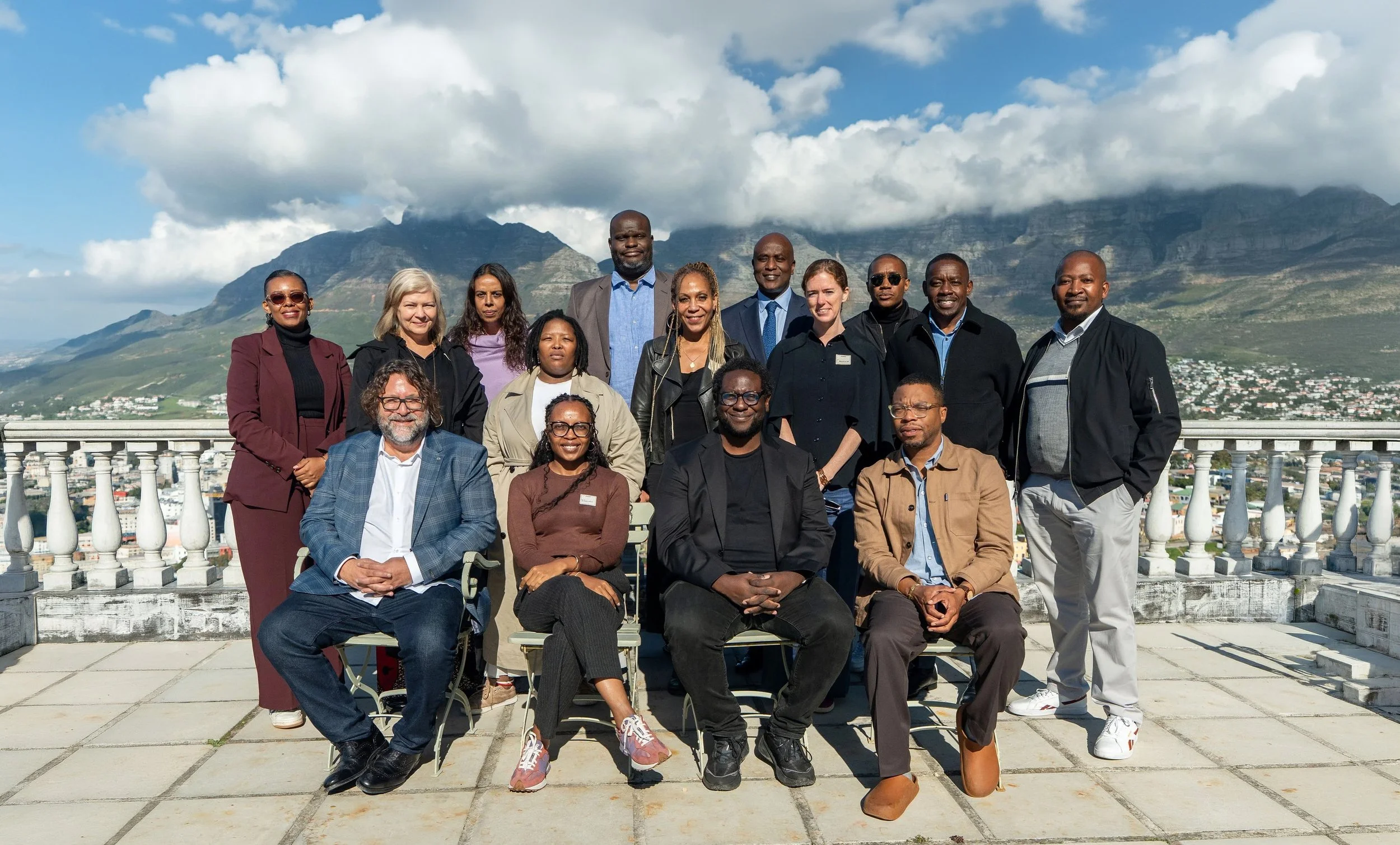
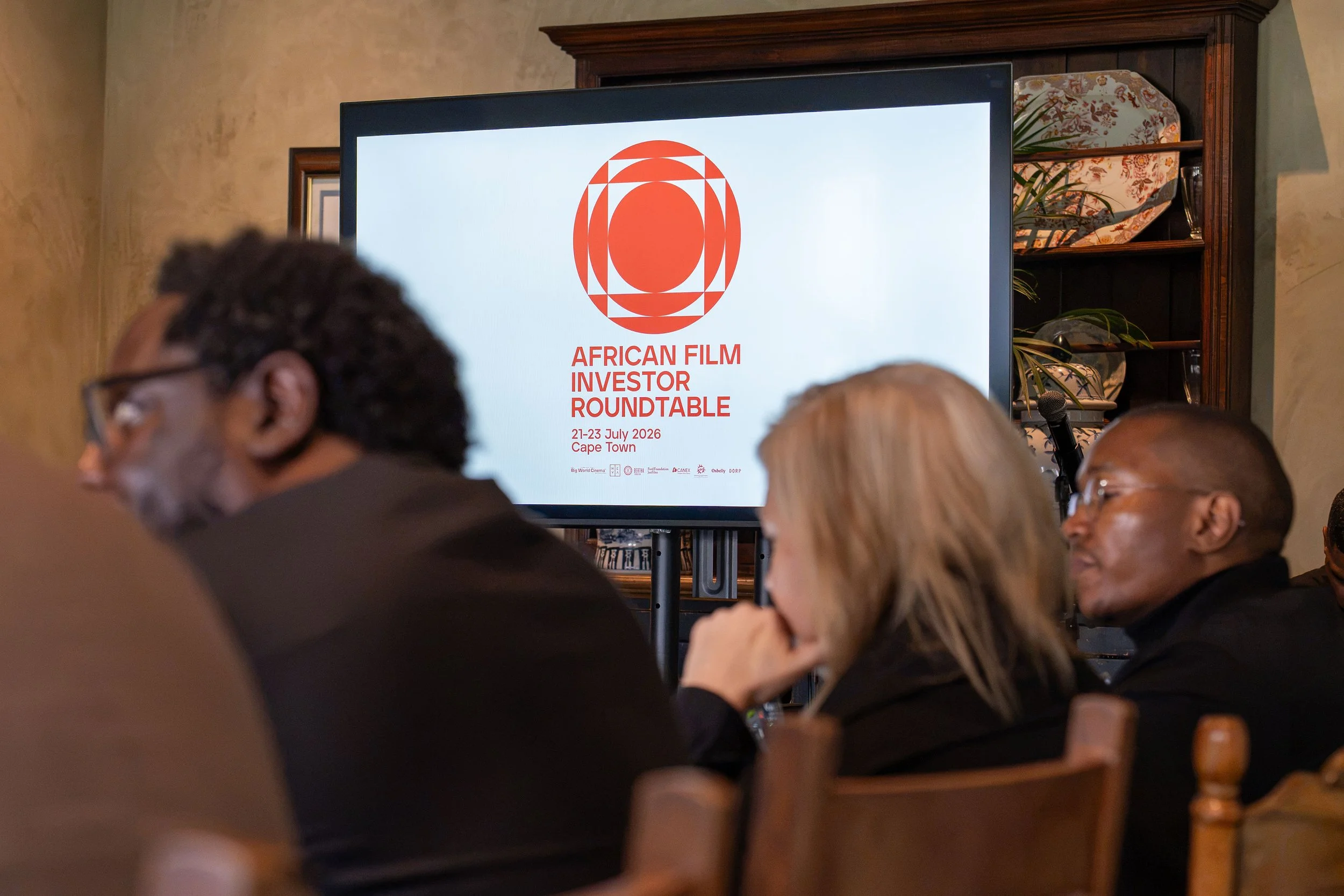
In July 2026 the inaugural AFIR took place in Cape Town. Supported by Bertha Foundation, Just Films|Ford Foundation, Creative Africa Nexus (CANEX), the National Film and Video Foundation of South Africa, Dorp Hotel and with thanks to the International Emerging Film Talent Fund; and programme partner: Oxbelly. The event was co-presented by Big World Cinema and HEVA Fund, and moderated by George Gachara.
There were 13 investors and 7 experts in attendance, as well as 3 speakers online. The investors ranged from DFIs and private equity to family offices and national funds. The event included talks by specialists/experts such as a sales agent/cashflow underwriter, IP lawyer and film marketing expert, as well as group discussions and knowledge-sharing. Following a day of investor and decision-maker discussions, the APA producers pitched to the investors and had 1:1 meetings.
Please see the Resources section for recorded talks, interviews and a report of our learnings.
10 Key Takeaways from African Film Investor Roundtable, 2026
This is African culture’s moment: Music is the vanguard, as Afrobeats and Amapiano continue to set global dance floors alight. The continent’s film and TV sectors can build on this momentum – and Pan-Africanism will be key. Cross-country collaboration between those in the film ecosystem and financiers is critical for growth.
There are three discrete groups to consider when thinking about potential audiences: African (people on the continent), African diasporas (according to the World Economic Forum, “more than 200 million people of African descent live outside the continent and will soon make up over 25% of the global population”) and international. These different audiences must be factored in when considering investment options – for instance, you may need to budget for community cinemas in less-serviced communities, or pursue commercial partnerships to get people through the door.
Continental collaborations mean more local ownership of African stories and IP so that everyone along the production and investment value chains can retain a meaningful share of both immediate and future profits.
Creating jobs, particularly for young people and women, is important. More important, though, is that any role in the African film ecosystem must be dignified, fulfilling and meaningful work.
There is no shortage of capital, but TV and film are not yet recognised by many potential financiers as a valid asset class. The industry must consider how to articulate the value of something investors can’t hold in their hands.
African film is a sound financial investment. Existing investors’ experiences prove this fact, and they are open to sharing the lessons they’ve learned with those who are sceptical about putting their financial muscle behind the industry. Here, too, collaboration is crucial – there’s a powerful appetite for co-financing and syndication.
There’s a crucial balance to be struck between funding and investing in individual film projects and building the infrastructure to create a sustainable African film industry. The raw talent is here, but the continent needs to strengthen its entire pipeline from skills development through to marketing, and identify who is best placed to invest in which parts of that pipeline.
Diversify your funding. One funder may be best-suited and most focused on technical investments, like equipment or software, while another could support the project through a corporate social responsibility lens.
Producers need to up the financial aspect of their pitching game. Many investors don’t have the skills to deeply assess a project’s creative and artistic elements, and that’s not their job. They’re looking for robust, well-reasoned and realistic assessment of potential returns on their investments.
Some of the best opportunities for engagement and information-sharing between investors and producers happen on the sideline of events like the AFIR. There’s no strict playbook here; we’re tweaking our model based on lessons from the inaugural event, and other organisations in the film ecosystem may want to try something entirely different. What’s crucial is that space is created in any programme for robust, honest engagements, whether that’s in formal sessions or during coffee breaks.
Investors in attendance were:
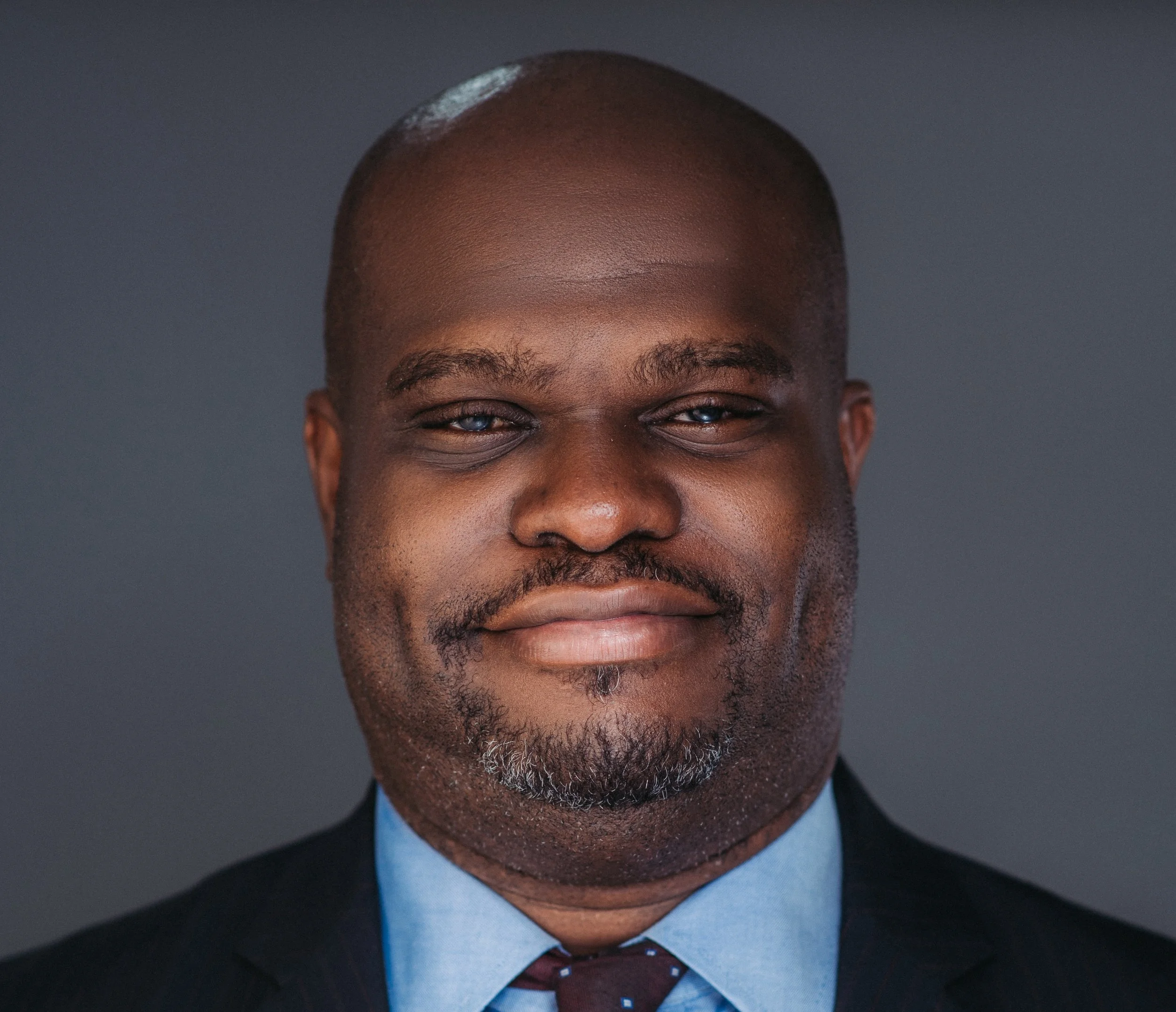
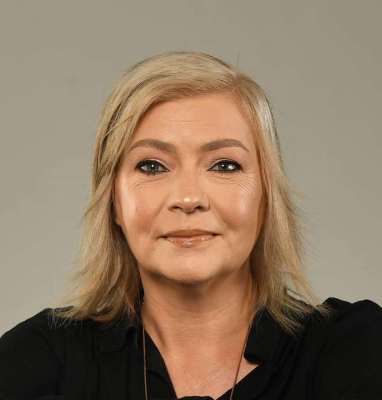
Adekunle Adebiyi, Adekunle Adebiyi, Executive Director, MBO Capital Management Ltd
Adekunle Adebiyi is the Executive Director, Investments at MBO Capital Management Limited, a Lagos, Nigeria based private investment firm with over $37 million in assets under management as of May 2026. He has over 22 years of experience spanning private equity, investment banking, consulting, operations and telecommunications.
Under his leadership, MBO Capital has invested over US$9 million in the African film industry, supporting the production of over 42 film and TV productions from Nigeria, Ghana, Rwanda and South Africa. Adekunle also oversees investments in various other sectors, including beauty and wellness, mining, power, real estate, agric-commodities, aviation and asset management.
Adekunle currently serves on the boards of FCSL Asset Management Ltd, MCM Jets Ltd, and Sourcing and Produce Ltd, and has previously served as a board member at Radix Pension Managers Ltd.
Adekunle holds an MBA in Finance from the Kellogg School of Management (Northwestern University) and an MA/MEng in Manufacturing Engineering from the University of Cambridge.
Beth Arendse, CEO, BASA
Beth Arendse is the Chief Executive Officer of Business and Arts South Africa (BASA), appointed to the role effective 1 July 2025. She brings over 25 years of leadership experience across South Africa's creative and cultural sectors, with a track record of building platforms that connect the arts, entrepreneurship, financing & sustainability.
Beth is a founder in her own right. She established the Tshwane School of Music, the SA Creative Industries Incubator (SACII), and the Music Business Lab, companies that have equipped hundreds of young creatives with the skills, market access, investment and business knowledge needed to build sustainable careers in the sector. This grounding in practical, sector-level capacity-building shapes her approach to leading BASA: an unwavering focus on unlocking the creative economy's full economic, cultural and innovation potential.
Beth has served on prominent national advisory bodies, including the Presidential Commission on the Fourth Industrial Revolution and currently, the National Advisory Council on Innovation, helping shape policy on South Africa's adaptability to technological and economic change.
Since taking the helm at BASA, Beth has focused on repositioning the organisation for its next chapter, including a strategic revamp of its membership model, and on forging bold new partnerships across business, government and civil society. Her vision is one where the arts are not merely supported but leveraged as a core asset in South Africa's economic and social progress, with creatives recognised as key architects of that future.
Beth steps into every room with a deep belief in the power of the creative economy to generate livelihoods, inspire innovation, and drive inclusive growth and with the conviction that with the right partnerships between business and the creative sector, the African creative economy can unlock significant new capital and take its rightful place on the global stage.
Caroline von Kühn, Executive Director, Oxbelly
Caroline von Kühn is the Executive Director of Oxbelly, the nonprofit founded by Christos V. Konstantakopoulos of Faliro House, based in Athens, Greece. Prior to relocating to Athens, von Kuhn was at the Sundance Institute, as Director of Industry & Catalyst, their independent film financing initiative for film financiers and filmmakers.
Prior to Sundance, she served as Director of Artist Development at SFFILM where she launched SFFILM Invest, a Bay Area film financing program. von Kuhn was Co-Founder and Managing Director of the Points North Institute (Camden International Film Festival), where she remains on the Board of Directors.
Recent producing work includes Slow Machine (2020 Rotterdam, NYFF), Burn Country (formerly titled The Fixer 2016 Tribeca winner). von Kuhn's directorial debut Like The Water was financed by a new model that led to the creation of crowdfunding platform Seed & Spark, and her most recent theatre work was directing a US/UK/Norwegian production of Ibsen's Peer Gynt with the National Theatre of Norway. She has a BA in Financial Economics from University of Virginia and an MFA from University of Manchester (UK).
Erica Motley Dupuis, Executive Producer, Impact X Studios
Erica Motley Dupuis is a global leader in scripted entertainment with more than two decades of experience across film financing, international acquisitions, and strategic packaging. A graduate of Howard University and Harvard Business School and a former investment banker, she began her career at HBO as an international film acquisitions executive before moving into senior creative roles at Fox and BMG. She later served as Head of International Acquisitions at UIP (the joint venture between Universal, Paramount and DreamWorks) and K5 International, where she championed award-winning films including Mira Nair’s The Reluctant Fundamentalist and Vehicle 19, starring Paul Walker and produced by Peter Safran.
An early pioneer in applying independent film packaging strategies to television, she executive produced Taboo for BBC and FX and Iyanu, the number one children’s series on Showmax, with screenings on ITVX and HBO Max. A committed mentor, she has supported talent through Sundance Institute, Johns Hopkins University, the Media Business School in Spain, and the African Producer Accelerator in Cape Town. She is an Executive Producer at Impact X Capital, where she focuses on African-led animation, film, television, and gaming, building global partnerships and scalable IP for international audiences.
George Gachara, Moderator AFIR - Founder and Board Chair, HEVA Fund
George Gachara is an investor, creative-economy strategist, and institution builder working at the intersection of finance, culture, innovation, and Africa’s long-term economic transformation. He is the Founder and Board Chair of HEVA Fund, one of Africa’s pioneering investment platforms dedicated to the cultural and creative industries, and serves on the Board of Directors of CANEX Creations Inc., the creative industries investment and commercialization subsidiary of the African Export-Import Bank (Afreximbank).
Over the past decade, George has mobilized and deployed catalytic capital across Africa through the design and management of innovative financing vehicles including the Pioneer Creative Industries Fund, HEVA Fund, the regional Ignite Fund, the Netflix Creative Equity Scholarship Program (East Africa), the DOCA Film Africa Fund, the Kenya Inclusive Creative Industries Program with the Mastercard Foundation, Thrive Fund, and several blended-finance initiatives. Collectively, these instruments have expanded access to finance, strengthened creative enterprises, supported thousands of entrepreneurs, and helped establish new market infrastructure for one of Africa’s fastest-growing economic sectors.
An Honorary Entrepreneurship Fellow at Goldsmiths, University of London, George’s work combines investment practice with research on creative-economy finance, film-finance innovation, intellectual property, digital markets, and the future of African cultural industries. He serves on the International Advisory Council of the Policy and Evidence Centre (UK) and has advised institutions including Afreximbank, the Mastercard Foundation, UNESCO’s International Fund for the Promotion of Culture, governments, development finance institutions, and private investors on capital mobilization, policy design, and ecosystem development.
George is particularly interested in how capital, institutions, and markets can unlock enduring economic value from Africa’s creativity. His work focuses on building investment ecosystems that expand opportunity, strengthen cultural identity, accelerate trade, and create sustainable wealth across Africa and its global diaspora.
Jon-Sesrie Goff, Program Officer, Creativity & Free Expression, Ford Foundation
Jon-Sesrie Goff is a multidisciplinary artist, filmmaker, curator, and cultural strategist. As part of the Ford Foundation's Creativity and Free Expression team, he makes global grants for the JustFilms program, focusing on creative non-fiction film, new media, and visual storytelling. He contributes to cross-sector initiatives focused on narrative equity, AI ethics, global media infrastructure, and the future of public-interest media.
Lebogang Maphada, Investment Manager, CANEX Creations Inc.
Lebogang Maphada is an Investment Manager at CANEX Creations Inc., the Afreximbank subsidiary dedicated to financing and scaling Africa's creative and cultural industries. Working at the intersection of institutional capital and the creative economy, she leads investments across their full lifecycle with a focus on unlocking the value of African intellectual property.
She brings over 15 years of investment experience across private equity, venture capital, development finance, and listed markets. Before joining Afreximbank, Lebogang was Principal for Africa & Middle East at the Media Development Investment Fund, where she led investments across Africa and the Middle East, backing high-growth media businesses with capital, strategic advisory, and hands-on portfolio support.
Lebogang serves on the board of African Women in Media, an organisation advancing the interests of women working across media industries on the continent. She holds a Bachelor of Finance (cum laude) from the University of Botswana and an MSc in Finance and Economic Policy from SOAS University of London.

Steven Markovitz
Expert / Executive Director AFIR & APA CEO, Big World Cinema Nigeria
Steven Markovitz has over 30 years’ experience producing and distributing feature films and documentaries. He has worked with over 150 directors from more than 30 African countries on films that have screened at festivals including Cannes, Sundance, Berlin, Toronto and Venice, among many others.

Tamsin Ranger
Expert / Programme Director APA Producer, Big World Cinema Nigeria
Tamsin Ranger is a producer and Head of Production at Big World Cinema, where she runs the company’s business affairs function - negotiating co-production and distribution agreements, structuring recoupment waterfalls, and managing rights and delivery for a slate distributed in over 20 African countries to partners including Netflix, Al Jazeera, BFI, BBC, Channel 4, and PBS.